Irregular Income Budget: Start With Your Slowest Month
How do you budget when you don't know what next month pays?
You might be thinking, "Ralph, just use the average." Please don't. The average is the number that gets you in trouble.
A listener wrote in this week. He's a freelance web designer in Boise. One month he made $9,500. The next, $3,400. He asked how anyone plans around that.
Budget From the Slow Month
His bills: rent of $1,650, a car payment of $386, and about $650 in groceries. That's $2,686.
Take that from the $3,400 month and you have $714 left. It's tight, but it works. Build your irregular income budget on that month, and every good month becomes extra instead of a rescue.
Pay Yourself a Paycheck
Every dollar goes into one holding account first. Then you pay yourself a set amount on a set date, like a real paycheck.
The good months fill the account. The slow months draw it down. The account does the smoothing so you don't have to.
Pull the Taxes Out Right Away
Nobody withholds taxes on freelance income, so you have to. Move your tax money the day a payment lands. Most self-employed people also need to pay estimated taxes four times a year.
Send Windfalls to Reserves
He also has a $4,200 card balance. A big month will tempt you to wipe it out in one shot. Pay it down, sure, but build a reserve alongside it. Reserves are what keep a slow month from landing on the card again.
Three Numbers to Write Down
1. Your slowest recent month. Look back a year and find the lowest one.
2. Your bills total. Rent, car, groceries, and the rest.
3. Months of runway. Divide your savings by that bills number.
Start With the Numbers, Not the Shame
Irregular income isn't a character flaw.
It's a math problem.
You solve it one number at a time.
Join us LIVE at becomingfinanciallyconfident.com/live
Bring your own question. Ralph and Juliet take them every weekday.
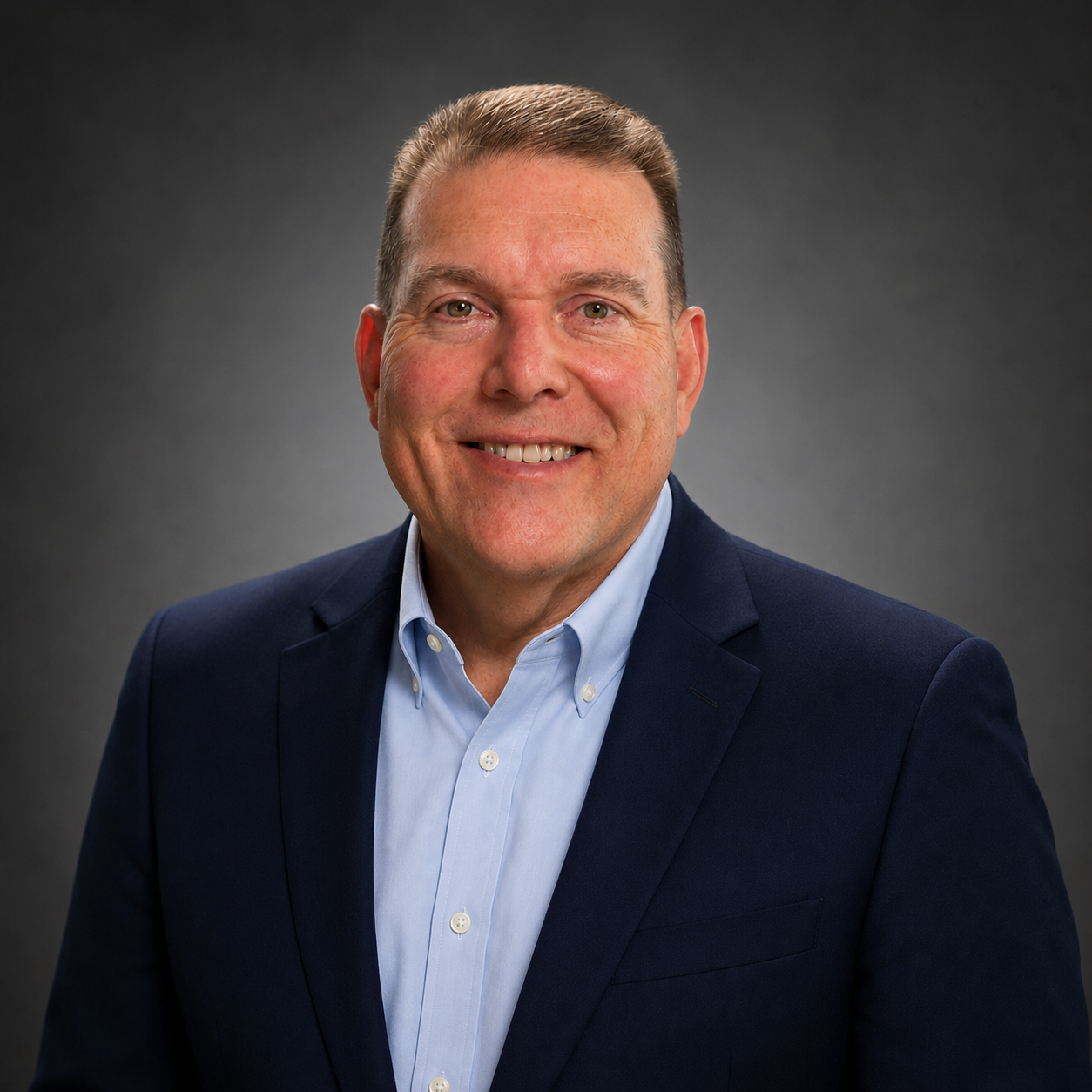
Licensed Public Accountant
Ralph V. Estep, Jr. is a Delaware-based Licensed Public Accountant (LPA), author, rancher, and media host with more than 30 years of experience in finance, taxation, and small-business leadership. As the founder of Saggio Accounting+PLUS and the creator of the Ask Ralph Media network, Ralph helps entrepreneurs, creators, and everyday families replace money confusion with clarity, confidence, and practical next steps — without shame and without hype.
Ralph's work blends deep professional expertise with a coach's mindset and a communicator's heart. He has held leadership roles across public accounting, financial institutions, law firms, and technology organizations, bringing a rare combination of traditional accounting rigor and modern systems thinking to the people he serves. A graduate of the University of Delaware and Wilmington University (MBA), he is known for turning complex money topics into simple, repeatable frameworks that help people make wiser decisions and build lasting financial stability.
He is the host of Becoming Financially Confident, a live weekday show built on a single conviction: most money stress is not a character problem but a systems problem, and shame is what keeps people from fixing it. The show grew out of Financially Confident Christian, which Ralph hosted for more than 1,200 episodes across eight seasons and earned national recognition. The new show offers the same host and the same feed, opened up to a wider audience.
Through Ask Ralph Media, Ralph hosts several other programs. Grit and Growth Business… Read More

How to Sell on Facebook Marketplace: What to Know Before You List