Why Your Prescription Price Didn't Drop Even Though the National Number Did
Quick Take
-
Prescription drug prices fell 3.1% over the past year, the biggest annual drop since 1963, but that's a national average, not your personal co-pay
-
6 in 10 adults worry about affording their medications, and 4 in 10 are skipping doses to save money
-
Gas is about 90 cents a gallon higher than last Labor Day, and airfare to popular destinations is up 20% year over year
-
Nearly 3 in 10 car trade-ins were underwater last quarter, with an average gap of $6,884
-
Rolling negative equity into a new car loan can add thousands of dollars in extra interest, even if your monthly payment stays the same
Why did prescription prices drop but my pharmacy bill didn't?
The 3.1% drop is measured by the Consumer Price Index, which tracks sampled transaction prices nationally. It doesn't reflect your specific insurance plan, deductible, or which pharmacy you use. Every pharmacy sets its own pricing, and cash prices can vary widely from one location to the next. Ralph Estep Jr. shared that a medication he was prescribed 15 years ago was quoted at $770 a month at his local pharmacy. A manufacturer affordability program brought that same prescription down to $25 a month. Asking a pharmacy for the cash price, or checking an app like GoodRx, can turn up options insurance alone won't.
How many people are actually struggling with medication costs?
Six in ten adults report being worried about affording their medications, and four in ten say they're skipping doses or taking less medication because of cost. If you take a regular prescription, it's worth asking your doctor about generic alternatives or different dosing that could lower your monthly cost.
Is it cheaper to drive or fly for Labor Day?
It depends on more than gas prices. Gas is running about 90 cents a gallon higher than last Labor Day. Domestic round-trip airfare overall is up only about 2%, but fares to popular destinations are up roughly 20% year over year. Hotel bookings are up 9%, and international hotel prices are up 12%. Beyond the sticker cost, factor in parking, baggage fees, rental cars, meals on the road, and the value of your own time and energy.
How do I spot a fake charity before I donate?
The FTC has warned about a wave of fake charities impersonating real ones through text messages and social media. Never donate through a link in a text or unsolicited email. Find the charity's official website yourself instead of clicking through. Be cautious of any request for a gift card, wire transfer, or cryptocurrency, none of those are normal ways a legitimate charity accepts donations. Sites like CharityWatch, give.org, and Charity Navigator can show you what percentage of your donation actually reaches the people the charity serves.
What does it mean to be underwater on a car loan?
Being underwater means you owe more on your car loan than the car is currently worth. A new car typically loses about 20% of its value the moment it's driven off the lot, while the loan balance only decreases gradually, especially in the early months when more of your payment goes to interest. On a 70-month loan, it can take about three years before what you owe matches what the car is worth. Last quarter, nearly 3 in 10 trade-ins were underwater, with an average gap of $6,884.
What happens if I roll negative equity into a new car loan?
If you're underwater and trade in your car, dealers can roll the difference into your new loan. On a $770-a-month, 70-month loan, rolling in $6,884 of negative equity would push the payment to $890 a month and add roughly $1,500 in extra interest. To keep the payment near $770, a dealer might stretch the loan to 84 months instead, but that adds more than $2,400 in additional interest over the life of the loan. The safest order of operations when buying a car is to negotiate the out-the-door price first, and only mention a trade-in or reveal your loan payoff after that price is locked in.
Got a money question? Send it to us at becomingfinanciallyconfident.com/question and we may cover it on an upcoming show.
Licensed Public Accountant
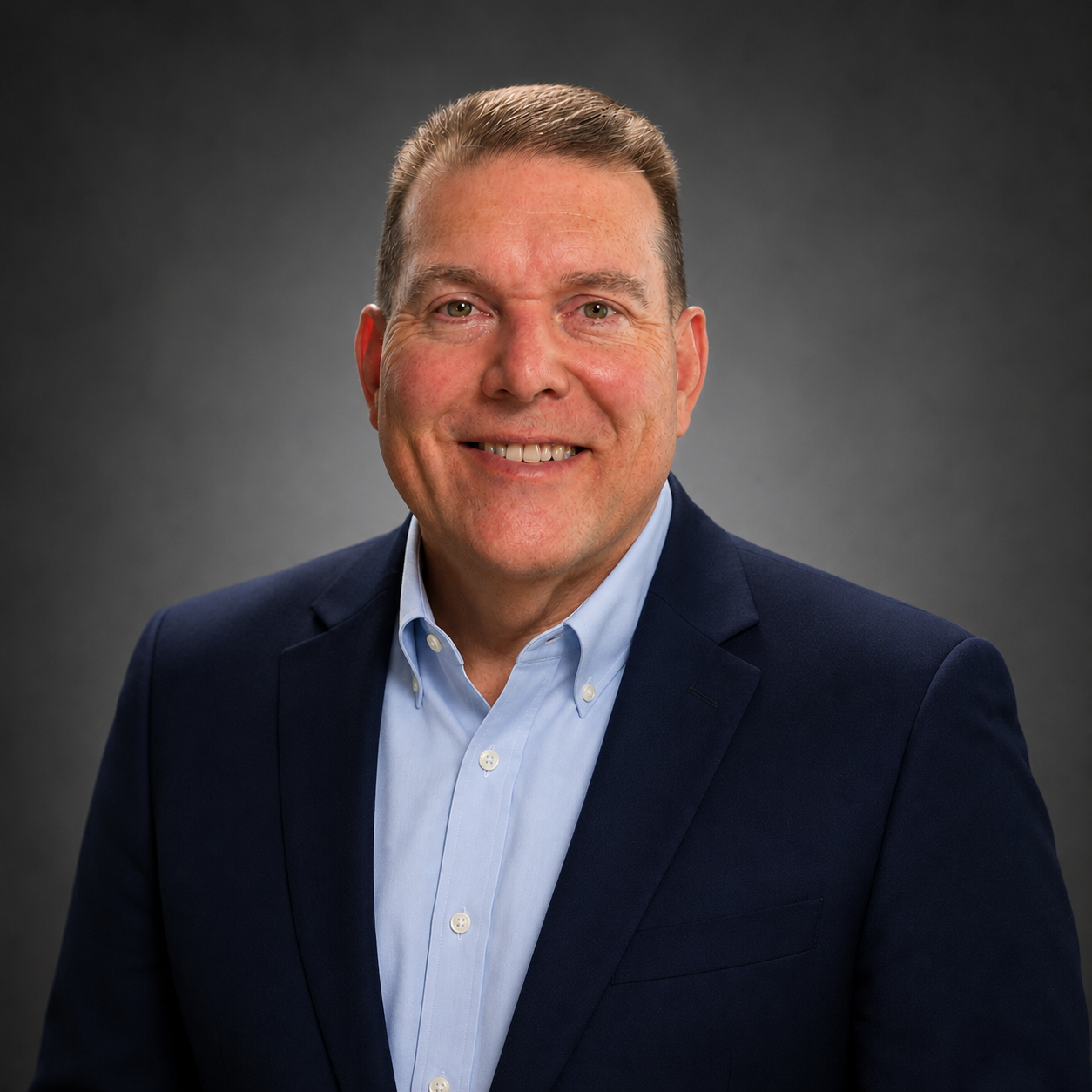
Ralph V. Estep, Jr. is a Delaware-based Licensed Public Accountant (LPA), author, rancher, and media host with more than 30 years of experience in finance, taxation, and small-business leadership. As the founder of Saggio Accounting+PLUS and the creator of the Ask Ralph Media network, Ralph helps entrepreneurs, creators, and everyday families replace money confusion with clarity, confidence, and practical next steps — without shame and without hype.
Ralph's work blends deep professional expertise with a coach's mindset and a communicator's heart. He has held leadership roles across public accounting, financial institutions, law firms, and technology organizations, bringing a rare combination of traditional accounting rigor and modern systems thinking to the people he serves. A graduate of the University of Delaware and Wilmington University (MBA), he is known for turning complex money topics into simple, repeatable frameworks that help people make wiser decisions and build lasting financial stability.
He is the host of Becoming Financially Confident, a live weekday show built on a single conviction: most money stress is not a character problem but a systems problem, and shame is what keeps people from fixing it. The show grew out of Financially Confident Christian, which Ralph hosted for more than 1,200 episodes across eight seasons and earned national recognition. The new show offers the same host and the same feed, opened up to a wider audience.
Through Ask Ralph Media, Ralph hosts several other programs. Grit and Growth Business… Read More

Should You Keep a Secret Account? A Banker's $23,000 Lesson