
The 4 Stages of Financial Confidence (And the $400 Test)
Quick Take
- The Federal Reserve found 12% of adults couldn't cover a $400 emergency at all, and another 15% would put it on a credit card and carry the balance.
- ESPN Unlimited and Peacock Premium prices rise September 17, adding to the roughly $830 a year the average household spends on subscriptions.
- FAFSA opens October 1 for the 2027-28 school year, and families should apply even if they don't expect to qualify for aid.
- A new tax rule allows up to $1,000 in charitable deductions, or $2,000 for married couples, without itemizing. GoFundMe donations don't qualify.
- Financial confidence moves through four stages: awareness, intentionality, stability, and growth.
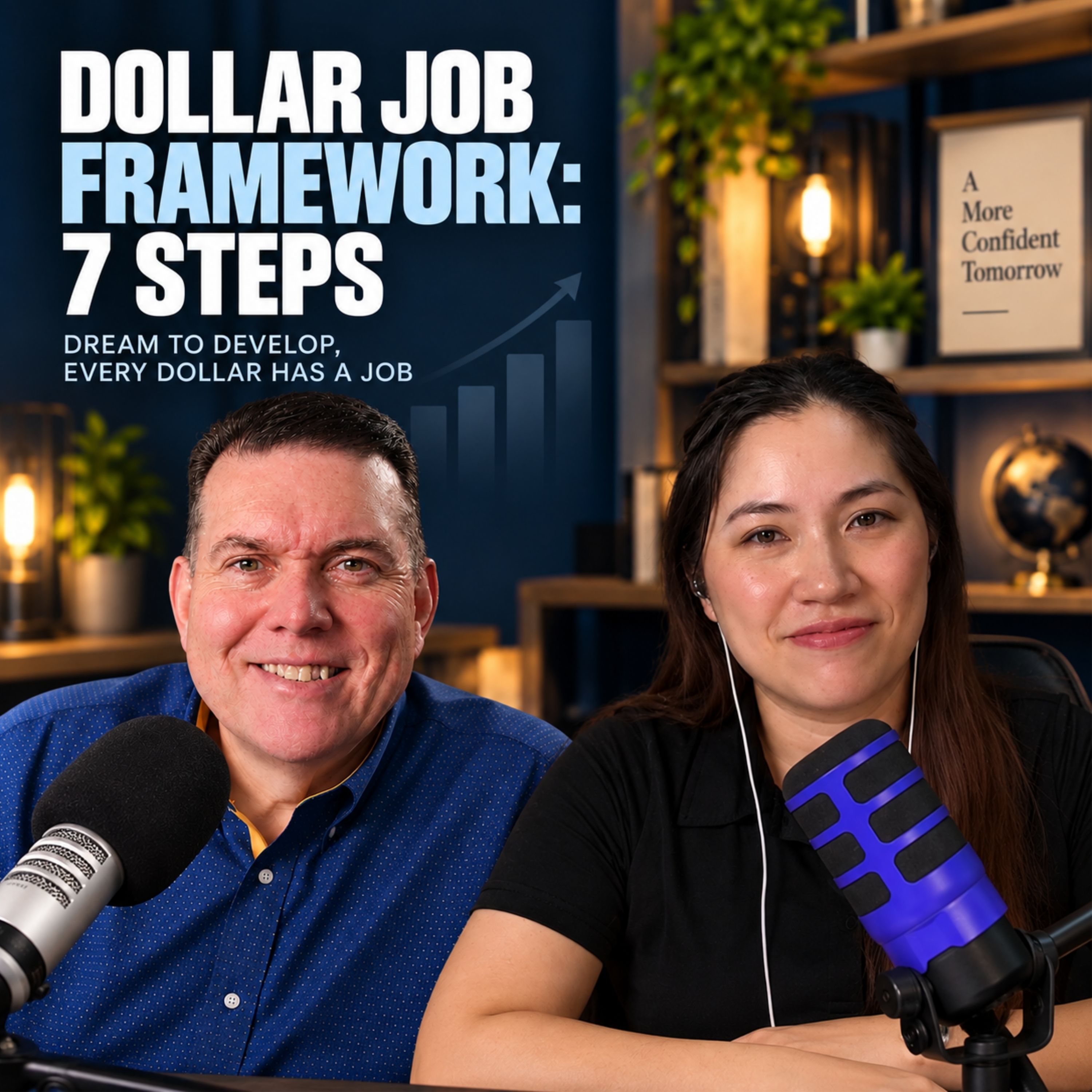
- The Dollar Job Framework gives every dollar a job in seven steps: Dream, Define, Discover, Design, Deploy, Debrief, Develop.
What does the $400 question reveal about financial confidence?
Every year, the Federal Reserve asks Americans the same question: if an unexpected $400 expense hit you right now, how would you pay for it? The answers break down like this. 12% couldn't cover it at all. 15% would put it on a credit card and carry the balance. 10% would borrow from friends or family. 7% would sell something. Only 63% could handle it without any strain. Ralph doesn't see this as a math problem. He sees it as a mindset problem, and it's the reason he built out four stages people move through on the way to financial confidence.
What are the four stages of financial confidence?
Awareness comes first, knowing what's actually coming in and going out, without flinching. Intentionality is next, giving your money a direction instead of just tracking it. Stability follows, the point where a $1,500 surprise expense is an annoyance instead of a crisis. Growth is last, the stage where you're asking what your money could make possible instead of just staying afloat.
What is the Dollar Job Framework?
The Dollar Job Framework is Ralph's seven-step method for putting every dollar to work. Dream sets the reason behind the plan. Define attaches a number and a date to that dream. Discover totals up assets and debts to find net worth. Design gives every incoming dollar a specific job. Deploy assigns that job before the money is spent. Debrief is a regular check-in comparing the plan to what actually happened. Develop uses what was learned to set the next dream.
Why are streaming prices going up again?
ESPN Unlimited rises from $29.99 to $31.99 a month and Peacock Premium from $10.99 to $12.99, both effective September 17. On their own, the increases look small. But BankGo puts the average household at 5.2 subscriptions and about $69 a month, close to $830 a year. Ralph's fix is a simple spreadsheet: every subscription, its renewal date, its cost, and one more column asking how much it actually matters to you. If something doesn't earn a high score in that last column, it's an easy one to cut.
When does FAFSA open, and why does the date matter?
FAFSA for the 2027-28 school year opens October 1, using your 2025 tax return. That can feel early if your child isn't starting college until next fall, but financial aid is limited, and applying sooner means a better shot at it. Ralph went through this with his own son and recommends filing it even if you don't expect to qualify for aid, since some schools use it for other purposes. The IRS now lets you import your tax information directly into the form, which cuts out most of the guesswork that used to send people to their accountant every fall.
What's the new tax break for charitable giving?
Filers who take the standard deduction can now write off up to $1,000 in charitable giving, or $2,000 for married couples filing jointly, without itemizing. Anyone who does itemize can still deduct up to half their income in giving, with no cap. The catch is documentation. Cash, a check, or a card payment needs a receipt to count. And GoFundMe itself isn't a registered charity, so those donations aren't deductible no matter how good the cause.
What's this week's money move?
Add a PIN to your SIM card through your phone carrier, and turn on two-factor authentication for your email and bank accounts. Both take a few minutes and make it much harder for someone to take over your accounts.
Got a money question?
Send it in. No question is off limits.

Licensed Public Accountant
Ralph V. Estep, Jr. is a Delaware-based Licensed Public Accountant (LPA), author, rancher, and media host with more than 30 years of experience in finance, taxation, and small-business leadership. As the founder of Saggio Accounting+PLUS and the creator of the Ask Ralph Media network, Ralph helps entrepreneurs, creators, and everyday families replace money confusion with clarity, confidence, and practical next steps — without shame and without hype.
Ralph's work blends deep professional expertise with a coach's mindset and a communicator's heart. He has held leadership roles across public accounting, financial institutions, law firms, and technology organizations, bringing a rare combination of traditional accounting rigor and modern systems thinking to the people he serves. A graduate of the University of Delaware and Wilmington University (MBA), he is known for turning complex money topics into simple, repeatable frameworks that help people make wiser decisions and build lasting financial stability.
He is the host of Becoming Financially Confident, a live weekday show built on a single conviction: most money stress is not a character problem but a systems problem, and shame is what keeps people from fixing it. The show grew out of Financially Confident Christian, which Ralph hosted for more than 1,200 episodes across eight seasons and earned national recognition. The new show offers the same host and the same feed, opened up to a wider audience.
Through Ask Ralph Media, Ralph hosts several other programs. Grit and Growth Business… Read More

Mortgage Rates, the New 1099 Rule, and Who Owes Debt After You Die