
Mortgage Rates, the New 1099 Rule, and Who Owes Debt After You Die

Quick Take
- The 30-year mortgage rate climbed to 6.71%, the highest in over a year
- Clients only have to send a 1099 for payments of $2,000 or more now, up from $600, but all income is still taxable
- Authorized users on a credit card are not responsible for the debt after the account holder dies
- A free PIN on your phone account can stop SIM swap fraud in fifteen minutes
- Google Play and O'Reilly Auto Parts both have open class action settlements with September deadlines
What class action settlements are open right now?
Google Play and O'Reilly Auto Parts both have active settlements this month, with deadlines on September 14 and 28. If you've purchased from either in the last year or so, it's worth checking whether you qualify. Legitimate settlements never charge a fee to apply and never ask for your full Social Security number.
Why did mortgage rates climb to 6.71%?
The 30-year mortgage rate is up to 6.71%, the highest it's been in over a year and well above the 6.04% rate from twelve months ago. Most lenders cap your mortgage payment at around 28% of your gross monthly income, so as the interest rate climbs, the amount of house you can actually afford drops. Federal Reserve governors have signaled they may raise rates further at their next meeting, so this may be close to the low point for a while.
What changed with the new 1099 rule?
Clients now only have to send a 1099 if they paid you $2,000 or more in a year, up from the old $600 threshold. That's the reporting requirement, not the tax requirement. If you freelance or do gig work, every dollar you earn is still taxable whether or not a 1099 shows up in your inbox.
Do you owe debt after someone dies?
If you're only an authorized user on someone's credit card, you are not responsible for the balance after they pass away. Debt belongs to the estate, not to family members, unless you cosigned, held the account jointly, or served as executor with specific legal obligations. If a collector keeps pushing, the Fair Debt Collection Practices Act and your state's Consumer Protection Bureau are there to help.
What's the easiest way to stop SIM swap fraud?
Add a PIN or passcode to your mobile carrier account so nobody can transfer your number to another device without it. Pair that with two-factor authentication on your bank and email accounts. Both take about fifteen minutes and cost nothing, and they close one of the more common paths criminals use to intercept one-time codes.
What does it actually mean to be financially confident?
A Federal Reserve survey found that 12% of adults couldn't cover a surprise $400 expense at all, and only 63% could handle it with cash, savings, or a card they'd pay off right away. Financial confidence isn't a feeling, it's knowing what's actually true about your money and what you'd do next. That starts with awareness, moves through intentionality and stability, and ends in growth, the point where money starts buying options instead of just covering emergencies.
How does the Dollar Job Framework work?
The framework has seven steps: dream, define, discover, design, deploy, debrief, and develop. It starts with what you want your money to make possible, not with restriction. From there you put a number and date on the goal, find out what's actually true about your finances, assign every dollar a job, put that plan into action, review how it actually played out, then adjust and set the next goal.
What do the four numbers on your EOB mean?
An Explanation of Benefits shows four numbers: the amount billed, the allowed amount your insurer negotiated, what the plan already paid, and the patient responsibility. The first three are mostly informational. The patient responsibility is the only number that should ever show up on a bill with your name on it.
Is renting your car on Turo worth the risk?
Car-sharing platforms typically don't cover wear and tear, lost rental income while your car is in the shop, or full vehicle replacement. Personal auto insurance often excludes commercial use entirely, so it's worth calling your insurer before you list your car. Ask what percentage the platform keeps, what you're actually risking, what taxes nobody's withholding since you're now self-employed, and how many unpaid hours the process eats up.
Why does your pharmacy charge you more than it should?
Roughly 20-25% of prescriptions get filled at a higher price than necessary. Ask if a generic version exists, since most cost under $20. Ask what the cash price is too, since it's sometimes lower than your insurance copay. A free tool like GoodRx can show you the real price before you hand over your insurance card.
Can money problems really end a marriage?
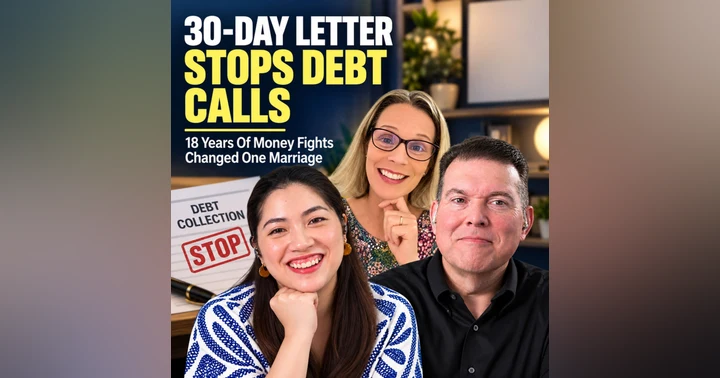
Financial stress is a common driver of divorce, and it often has less to do with the numbers than with whose voice gets heard. Being the one who manages the money isn't the same as being partners in it. Guest Karen Hackman, a finance coach who works with couples, shared how 18 years of financial silence in her own marriage, including two years of unnoticed fraudulent charges, changed once she and her husband started looking at their statements together.
Got a money question of your own? Send it in at becomingfinanciallyconfident.com/live, and catch the show live Monday through Friday from 11:30 AM to 12:30 PM Eastern.
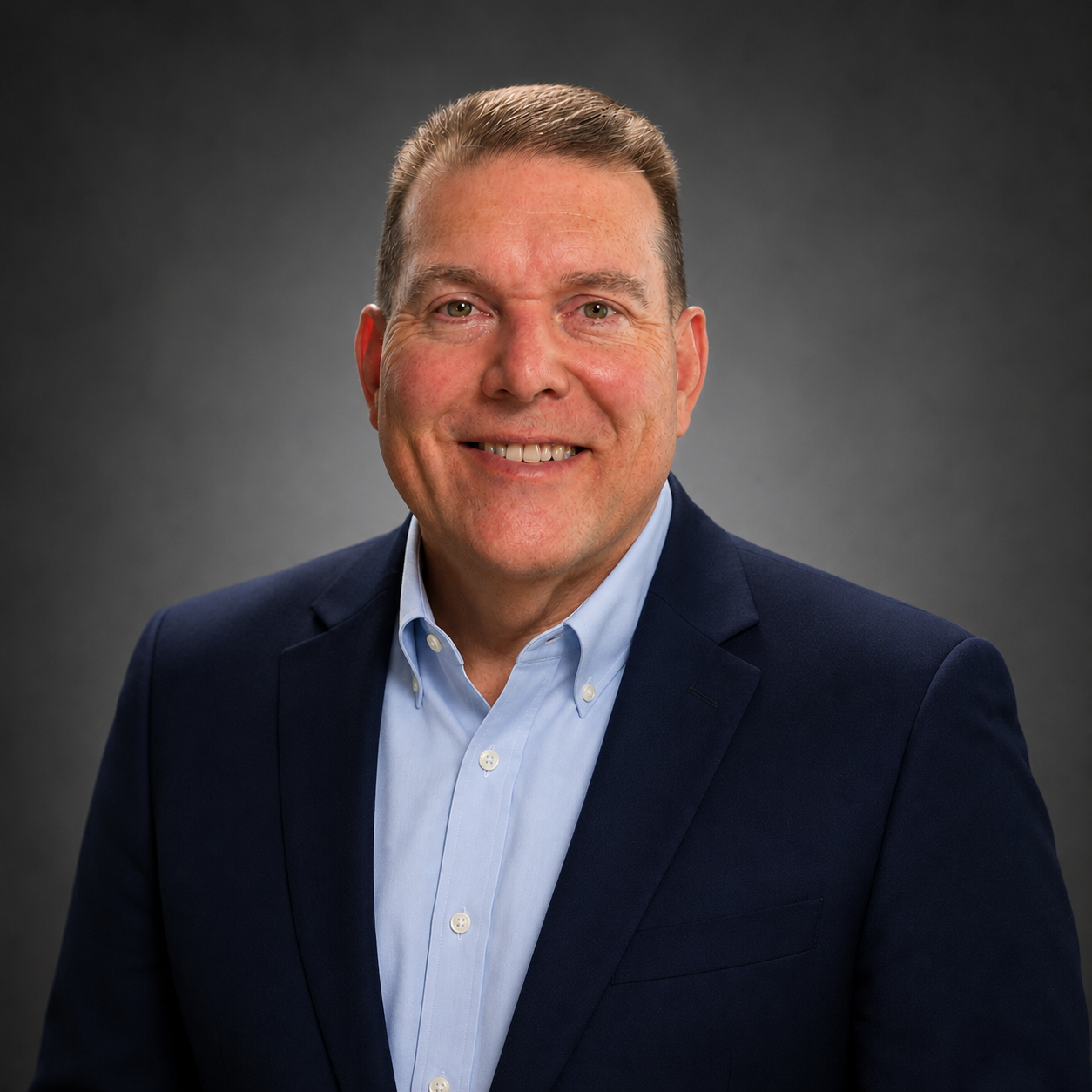
Licensed Public Accountant
Ralph V. Estep, Jr. is a Delaware-based Licensed Public Accountant (LPA), author, rancher, and media host with more than 30 years of experience in finance, taxation, and small-business leadership. As the founder of Saggio Accounting+PLUS and the creator of the Ask Ralph Media network, Ralph helps entrepreneurs, creators, and everyday families replace money confusion with clarity, confidence, and practical next steps — without shame and without hype.
Ralph's work blends deep professional expertise with a coach's mindset and a communicator's heart. He has held leadership roles across public accounting, financial institutions, law firms, and technology organizations, bringing a rare combination of traditional accounting rigor and modern systems thinking to the people he serves. A graduate of the University of Delaware and Wilmington University (MBA), he is known for turning complex money topics into simple, repeatable frameworks that help people make wiser decisions and build lasting financial stability.
He is the host of Becoming Financially Confident, a live weekday show built on a single conviction: most money stress is not a character problem but a systems problem, and shame is what keeps people from fixing it. The show grew out of Financially Confident Christian, which Ralph hosted for more than 1,200 episodes across eight seasons and earned national recognition. The new show offers the same host and the same feed, opened up to a wider audience.
Through Ask Ralph Media, Ralph hosts several other programs. Grit and Growth Business… Read More
The Letter That Stops a Debt Collector, and What 18 Years of Money Fights Taught One Coach